


Buying a used car can be a smart financial decision, but it often comes with questions about reliability and hidden problems. For many car shoppers, the term “certified pre-owned” (CPO) offers an appealing middle ground between a brand-new vehicle and a standard used car. But what exactly does this status imply, and how does it truly differ from other used vehicles on the market? Understanding the nuances of CPO status is crucial for making an informed purchase, providing a level of assurance that isn’t typically found with other second-hand vehicles.
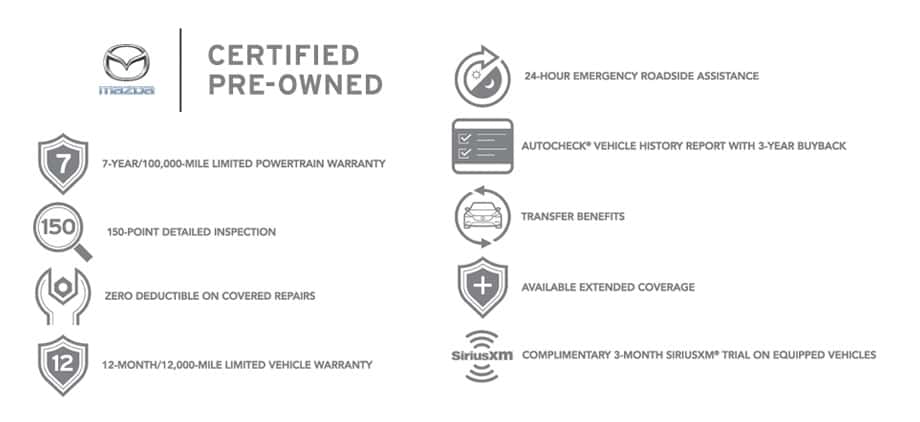
Overview:
- Certified pre-owned (CPO) vehicles undergo a thorough, manufacturer-mandated inspection process.
- CPO status typically includes an extended warranty that provides coverage beyond the original factory warranty.
- Vehicles must meet strict criteria for age and mileage to qualify for a CPO program.
- Many CPO programs offer additional benefits such as roadside assistance, complimentary loaner cars, and special financing rates.
- Every CPO vehicle usually comes with a detailed vehicle history report to verify its past.
- The certification adds a significant layer of confidence and reliability compared to purchasing a non-certified used car.
- While CPO vehicles often carry a higher price tag than their non-CPO counterparts, the added peace of mind and benefits often justify the cost for many buyers.
The Rigorous Inspection Behind Certified Pre-Owned Status
The cornerstone of any certified pre-owned program is its multi-point inspection process. Unlike a standard used car dealership that might perform a basic safety check, CPO vehicles undergo an exhaustive examination, often checking 100, 150, or even more than 170 individual points. This inspection is typically mandated by the original vehicle manufacturer and performed by factory-trained technicians at authorized dealerships. These technicians follow a strict checklist that covers every major component and system of the car.
What does this inspection entail? It meticulously scrutinizes the engine, transmission, brakes, steering, suspension, and electrical systems. Tires are checked for wear and depth, and often replaced if they don’t meet specific minimums. The interior is examined for excessive wear, functionality of all controls, and cleanliness, while the exterior is checked for significant dents, scratches, and paint quality. Any components that do not meet the manufacturer’s stringent standards are repaired or replaced with genuine OEM (Original Equipment Manufacturer) parts. This thoroughness ensures that when you drive off the lot with a CPO vehicle, it is as close to its original, factory-fresh condition as possible, significantly reducing the risk of unexpected repairs soon after purchase.
Understanding the Warranty Benefits of a Certified Pre-Owned Vehicle
One of the most compelling reasons to opt for a certified pre-owned vehicle is the extended warranty coverage it provides. Unlike standard used car sales, where any remaining factory warranty might be minimal or non-existent, CPO programs come with warranties backed directly by the manufacturer. These warranties often extend the original bumper-to-bumper or powertrain coverage for an additional period or mileage. For instance, a vehicle’s original 3-year/36,000-mile warranty might be extended to 5-year/75,000 miles under a CPO program.
The specific terms of CPO warranties vary by manufacturer in the US, but they typically cover major components like the engine, transmission, and drivetrain, with some programs offering comprehensive coverage similar to a new car’s warranty. This manufacturer backing means repairs are usually performed at authorized service centers by trained technicians using authentic parts, providing a higher level of trust and reliability compared to third-party extended warranty options. This extended protection acts as a financial safeguard against unexpected mechanical failures, offering substantial peace of mind for the duration of the CPO warranty.
What Qualifies a Vehicle for Certified Pre-Owned Status?
Not just any used car can become certified pre-owned. Manufacturers set strict eligibility criteria that vehicles must meet before they can even be considered for the rigorous inspection process. These requirements typically include limits on the vehicle’s age and mileage. For example, many CPO programs only accept vehicles that are less than five or six years old and have accumulated fewer than 70,000 or 80,000 miles. These limits help ensure that the vehicle still has significant life left and can genuinely benefit from the certification process.
Beyond age and mileage, a clean vehicle history is paramount. Any car with a salvaged title, flood damage, significant accident history, or other adverse records is generally disqualified from CPO programs. This is verified through comprehensive vehicle history reports from services like CARFAX or AutoCheck, which track ownership, accident history, service records, and title status. The combination of age, mileage, and a pristine history report ensures that only the highest quality used vehicles are granted CPO status, distinguishing them significantly from the general used car market.
Additional Perks and Why Certified Pre-Owned Costs More
Beyond the stringent inspection and extended warranty, many certified pre-owned programs sweeten the deal with a range of additional benefits designed to enhance the ownership experience. These perks can include complimentary roadside assistance for the duration of the CPO warranty, offering help with flat tires, jump starts, fuel delivery, and towing. Some programs also provide loaner car services when your CPO vehicle is in for covered repairs, minimizing inconvenience. Buyers might also gain access to special, lower financing rates available only for CPO vehicles, which can lead to significant savings over the life of the loan compared to financing a standard used car. Furthermore, trials for satellite radio or connected services like telematics are often included.
It is true that CPO vehicles generally command a higher price than their non-certified counterparts of the same make, model, and year. This increased cost reflects the investment the manufacturer and dealer make in the inspection, reconditioning, and extended warranty. However, for many buyers, the added assurance of quality, the extended protection against unexpected repairs, and the suite of supplementary benefits collectively justify this premium. It’s a trade-off: a higher upfront cost for reduced risk and enhanced peace of mind throughout the ownership period.


